 Yoga Laxmi
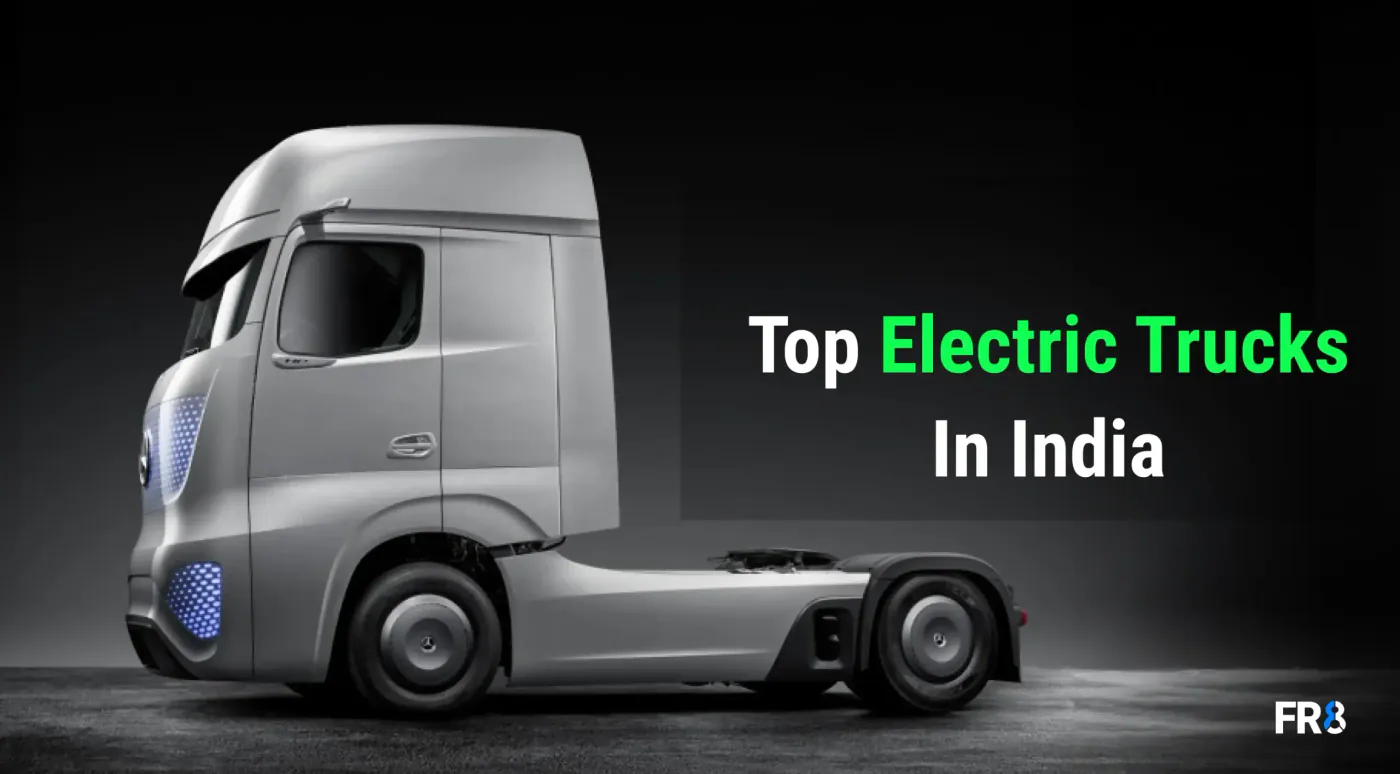
“As the world moves towards sustainable transportation solutions, the logistics sector in India is also witnessing a significant shift.” Electric trucks are emerging as a game-changer, promising to revolutionize goods transportation across the country. This overview examines the evolving landscape, key advantages, current obstacles, and the leading models available in 2024.
Government Incentives for Electric Trucks in India
Industry leaders like Tata Motors, Ashok Leyland, and Mahindra Electric are significantly investing in electric truck development. The Indian government’s Faster Adoption and Manufacturing of Hybrid and Electric Vehicles (FAME) scheme provides incentives for electric vehicle (EV) adoption. Policies aimed at reducing carbon emissions and enhancing energy security are also encouraging the transition to electric trucks in India.
Top Electric Trucks in India – 2026
1. Tata Ultra T.7 Electric
“The Tata ULTRA T.7 Electric Truck is India’s first electric intermediate commercial vehicle.” It features a modern cabin design with advanced telematics, making it well suited for last-mile delivery and intra-city goods transportation.
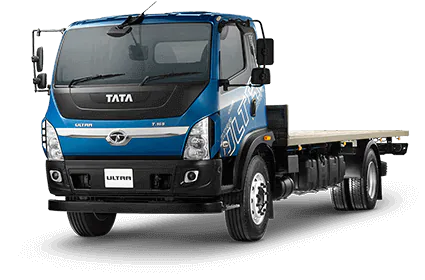
| Specification | Details |
|---|---|
| Range | 100 km/charge |
| Payload Capacity | 3,692 – 4,935 kg |
| Charging Time | ~2 hours |
| GVW | 7,490 – 8,750 kg |
| No. of Tyres | 6 |
| Price | ₹15.29 – 16.81 Lakh |
2. Ashok Leyland Boss 1219 EV Truck
Purpose-built for medium-duty transport, this model combines durability with operational efficiency through advanced safety systems and an intuitive user interface.
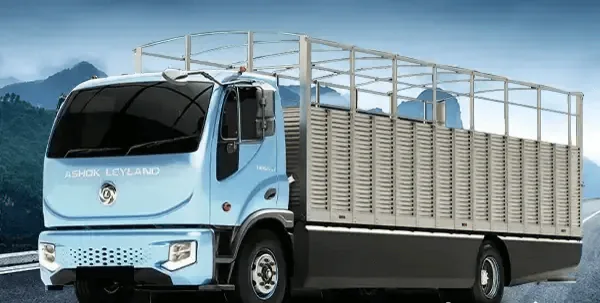
| Specification | Details |
|---|---|
| Payload Capacity | 6,000 kg |
| GVW | 11,990 kg |
| No. of Tyres | 6 |
| Max Speed | 80 KMPH |
Recent Development (October 2024): “Ashok Leyland on Oct 7 2024, began to supply 180 electric trucks, valued at around Rs 150 crore, to Group BillionE.” These vehicles feature ADAS (Advanced Driver Assistance System) and dual-port charging capabilities, operating on Chennai-Bengaluru and Chennai-Vijayawada routes.
3. Eicher Pro 2055 Electric
Engineered for navigating congested urban areas with superior maneuverability in tight spaces compared to larger competitors. The Eicher Pro 2055 Electric is designed specifically for urban logistics operations.
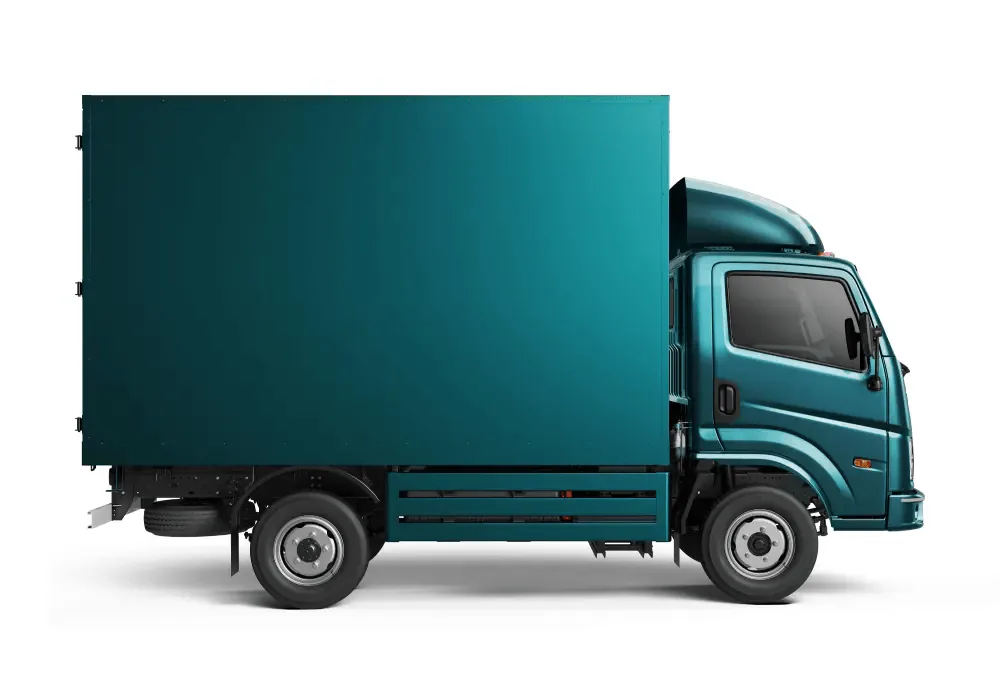
| Specification | Details |
|---|---|
| Payload Capacity | 2,209 kg |
| GVW | 5,450 kg |
| No. of Tyres | 4 |
| Battery Capacity | 64.4 kWh |
| Charging Time | 8–10 hours |
4. Tata Ace EV
“The Tata Ace EV is India’s premier four-wheeled Electric CV, a continuation of the esteemed Ace SCV heritage.” With rapid 105-minute fast charging capability, it serves urban logistics and last-mile delivery efficiently while reducing carbon emissions.
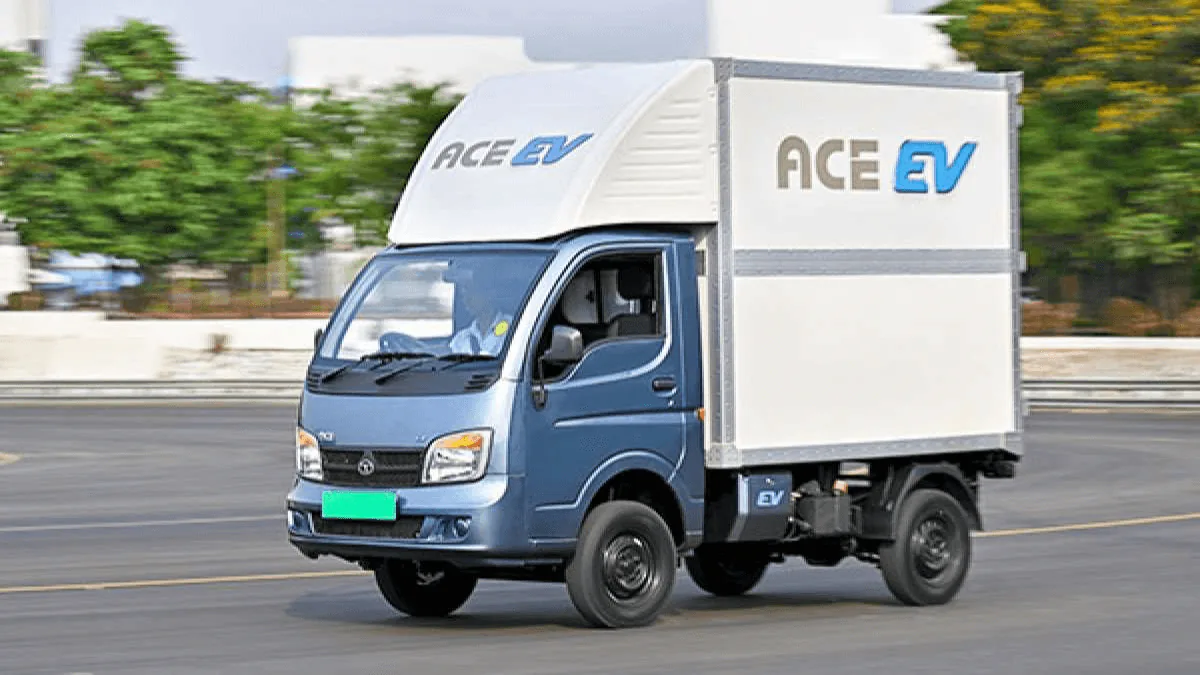
| Specification | Details |
|---|---|
| Range | 154 km/charge |
| Payload Capacity | 600 kg |
| Charging Time | 6–7 hours |
| GVW | 1,840 kg |
| No. of Tyres | 4 |
| Price | ₹9.21 – 9.22 Lakh |
5. Olectra Electric Truck
Heavy-duty electric tipper truck designed for construction and mining applications. It emphasizes safety with high-end technology meeting AIS-038 standards, fire-proof batteries, and integrated telematics for fleet management.
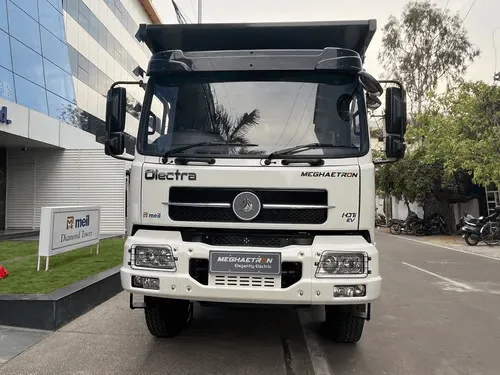
| Specification | Details |
|---|---|
| Range | 70–110 km/charge |
| GVW | 28,000 kg |
| No. of Tyres | 10 |
| Max Speed | 80 KMPH |
| Charging Time | 2 hours |
Why Electric Trucks?
1. Environmental Impact
“Electric trucks produce zero tailpipe emissions, significantly reducing air pollution and greenhouse gas emissions.” Adoption of electric trucks aligns with India’s commitment to the Paris Agreement and the national goal of achieving net-zero emissions by 2070. By switching from diesel to electric, the logistics sector can make a meaningful contribution to cleaner air in urban areas.
2. Cost Efficiency
Despite higher initial investment, electric trucks offer substantial long-term savings. Electricity costs significantly less than diesel, and the reduced mechanical complexity of electric drivetrains means lower maintenance expenses over the vehicle’s lifetime. Fleet operators report meaningful reductions in total cost of ownership over a multi-year period.
3. Operational Efficiency
The quiet, smooth operation of electric trucks minimizes noise pollution while enhancing driver experience. They excel in urban logistics and short-haul routes with frequent stops and starts — environments where regenerative braking helps recover energy and where the absence of engine idling noise improves working conditions.
Challenges and Barriers
1. Infrastructure Development
“One of the biggest challenges is the lack of charging infrastructure.” Widespread electric truck adoption requires a much denser network of charging stations, particularly along national highways and in rural areas. Without accessible fast-charging infrastructure, range anxiety remains a practical constraint for fleet operators.
2. Battery Technology
Current battery technology limits range and payload capacity compared to diesel equivalents. Ongoing research and development in battery chemistry and energy density promise significant improvements in coming years, but these advances are still maturing.
3. High Initial Costs
Electric truck purchase prices remain elevated compared to diesel counterparts. Government subsidies, tax incentives under the FAME scheme, and financing solutions from manufacturers help offset these upfront barriers and make the economics more attractive for fleet owners.
Conclusion
“Electric trucks are not just a trend; they are the future of logistics.” As technological advancement continues and charging networks expand across India, electric trucks will become increasingly prevalent — driving the country toward cleaner, greener, and more efficient logistics operations. The combination of government support, corporate investment, and growing environmental awareness creates strong momentum for electric trucks to transform India’s freight sector in the years ahead.